Types of Filler Caps
Choose your Fuel Angel Model
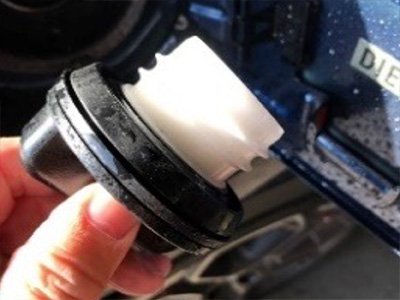
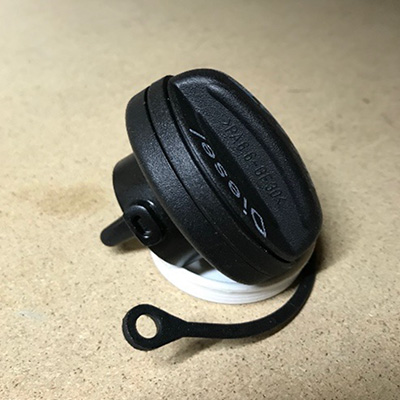
The most popular used filler cap system used by many Automotive manufacturers across the world.
Seat – MPD-002
Renault Kadjar – MPD-002
Vauxhall – MPD-002
Order Screw-In Device
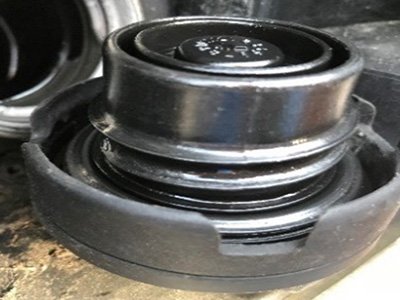
If your filler cap looks like these, first check to see if your vehicle is shown on our manufacturers list. If you cannot see your cap, send us a few photos of your own cap and we will match it up for you.
If your are unsure which device you require? Call Fuel Angel On 07783968925
OR
Send photos of your cap to 07783968925 so we can identify your device
Bayonet Fitting Filler Cap
Bayonet fittings are a little bit more complicated as there is no standard design, some manufacturers use different types of filler caps. Check out our fitting list or see if your cap looks like any shown. If you cannot see your cap, send us a few photos of your own filler cap and we will match it up for you.
Peugeot 3008 – MPD-001
Vauxhall Combi – MPD-007
Mercedes – MPD-009
Vauxhall Grandland – MPD-002
Renault – MPD-017
Mercedes Sprinter Vans – MPD-008
VW Passat – MPD-011
Jaguar – MPD-001
Some of the manufacturers that use Screw-in’ filler caps.
Why petrol is so bad for a diesel engine?
Putting the wrong fuel in your car could be disastrous for your engine as well as your pocket Dr Geraint Owen from the University of Bath explains exactly what happens when you misfuel a car He should know As a senior lecturer in automotive engineering he helps nurture future generations of mechanical engineers and knows everything there is to know about engines
There is a simple reason why petrol is not good for a diesel-powered car Petrol acts as a solvent which means it prevents the lubricating action that diesel fuel delivers to the precious components of the engine, most significantly the fuel pump Fill a diesel-powered vehicle with petrol and drive away until it shudders to a halt and you can do serious damage to the fuel pump That sets off a chain reaction that is very bad news.
Think of it like running an engine without oil: there is a high level of friction, the high-pressure fuel pump’s high tolerance components are running without lubrication and grind together producing ‘swarf’ These are tiny metal fragments, almost like shavings They enter the fuel system and travel towards the fuel injectors with disastrous consequences
You’ve filled your diesel car with petrol, started the engine, driven down the road and suddenly the car conks out In order to travel from the fuel tank (usually at the rear) to the engine (usually at the front}, the petrol will use the fuel lines. These are now contaminated, as are their rubber ‘.,eals and those of the fuel injectors Petrol can eat away at some seals in a diesel engine so it needs to be flushed through with a cleaning agent and then assessed for potential damage. In a worst-case scenario, all contaminated parts must be replaced, which is a time-consuming and costly job.
A diesel fuel filter’s job is to prevent any contaminants coming up from the fuel tank and getting into the engine Like a racing driver wearing fireproof overalls and a crash helmet, it’s a necessary preventative measure but once contaminated by petrol it has to be replaced. It’s the simplest and cheapest component of the chain to fix, perhaps costing less than £100, but that’s small consolation if the garage finds that serious damage has been done to other parts of the fuel system.
Modern diesel engines operate common rail direct fuel injection systems. These inject diesel directly into the combustion chamber and are incredibly efficient because they operate at high pressure and under precisely controlled timings. If there is a drawback to these high-tech systems, it’s that they have incredibly fine tolerances injecting fuel through very small holes. The production of metal swarf fragments from the field fuel pump can have catastrophic consequences. The Swarf blocks the holes in the injectors, preventing fuel from entering the engine to be burned which causes the engine to misfire and eventually stop running. Replacement of the fuel injectors and the ‘common rail’ – the pressurised storage chamber for the diesel fuel – together with the fuel pump is extremely expensive, as in thousands and thousands of pounds.